Introduction
Within the ‘Angular’ course, we received the assignment as a team of five students to realize a complete web application that enables the management of a music festival. The result: Laser Llama, a digital festival tool that supports both visitors and organizers.
My main responsibility within the project was building the frontend with Angular. I focused on developing the management interface for organizers, designing an intuitive user experience and connecting this frontend to the backend API.
What is “Laser Llama”
Laser Llama consists of two parts:
- A public website where visitors can view festival information: line-up, stages and tickets.
- A protected management module where the organization has complete control over the content.
User-friendly interface for administrators
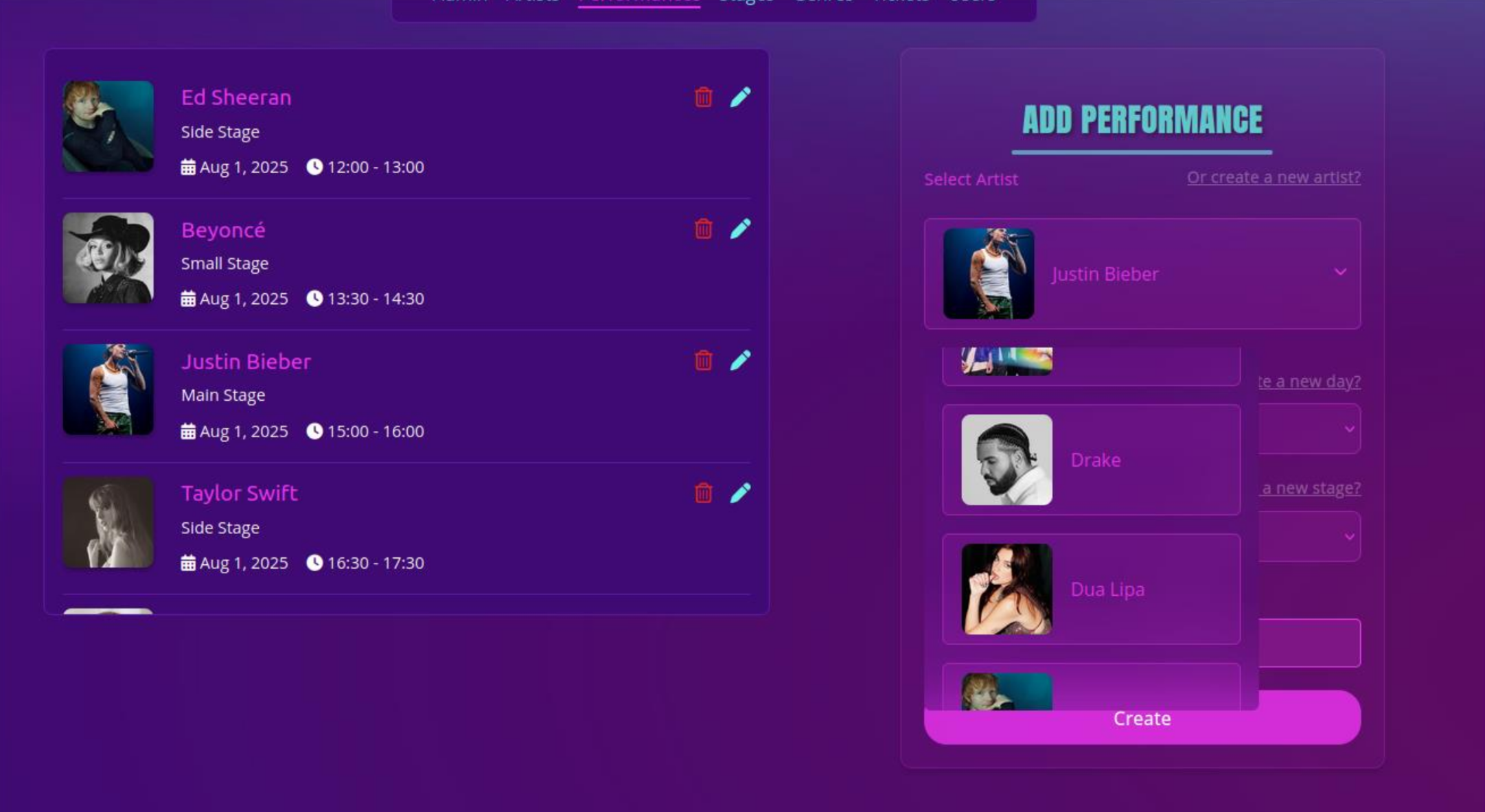
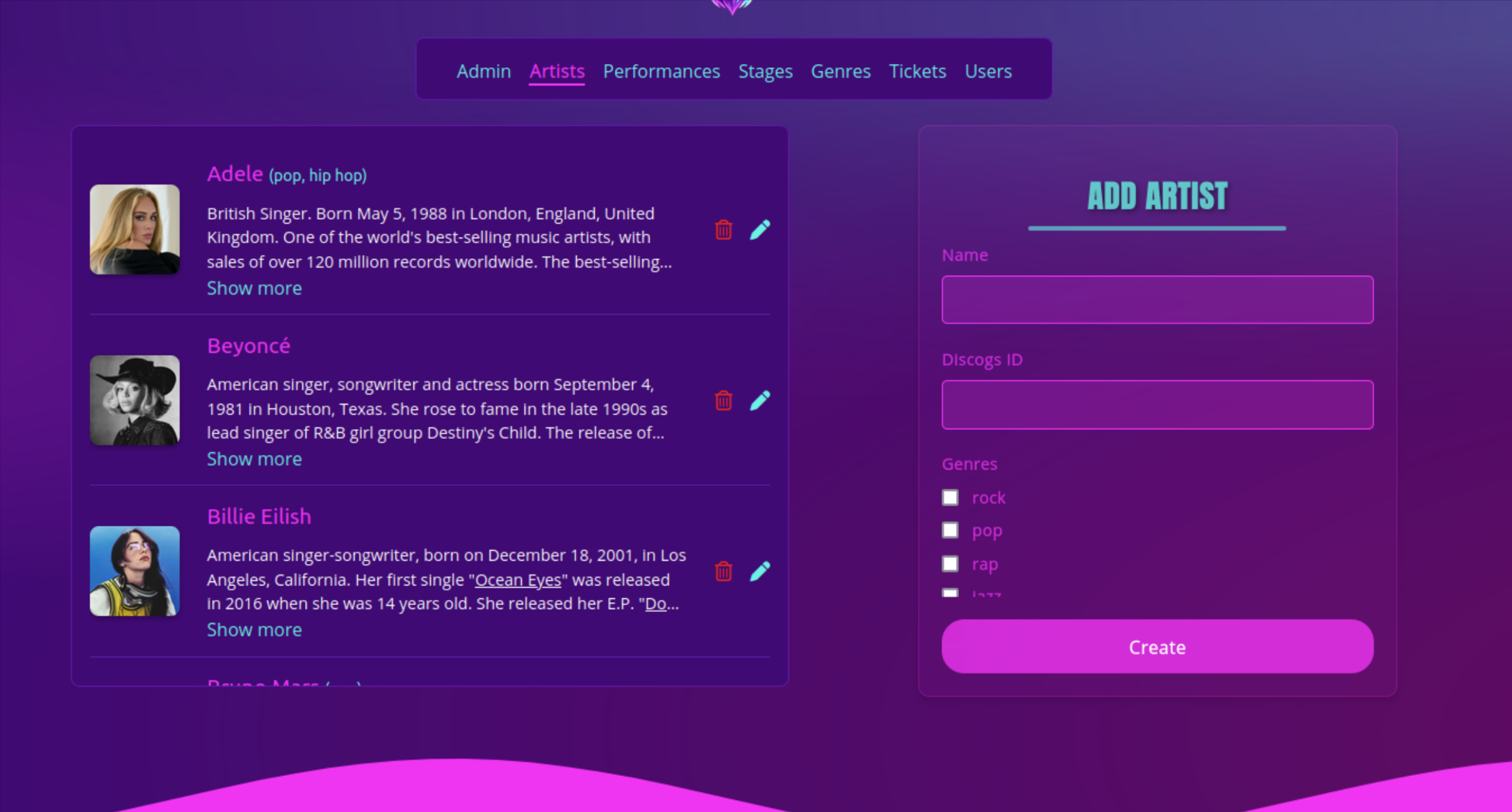
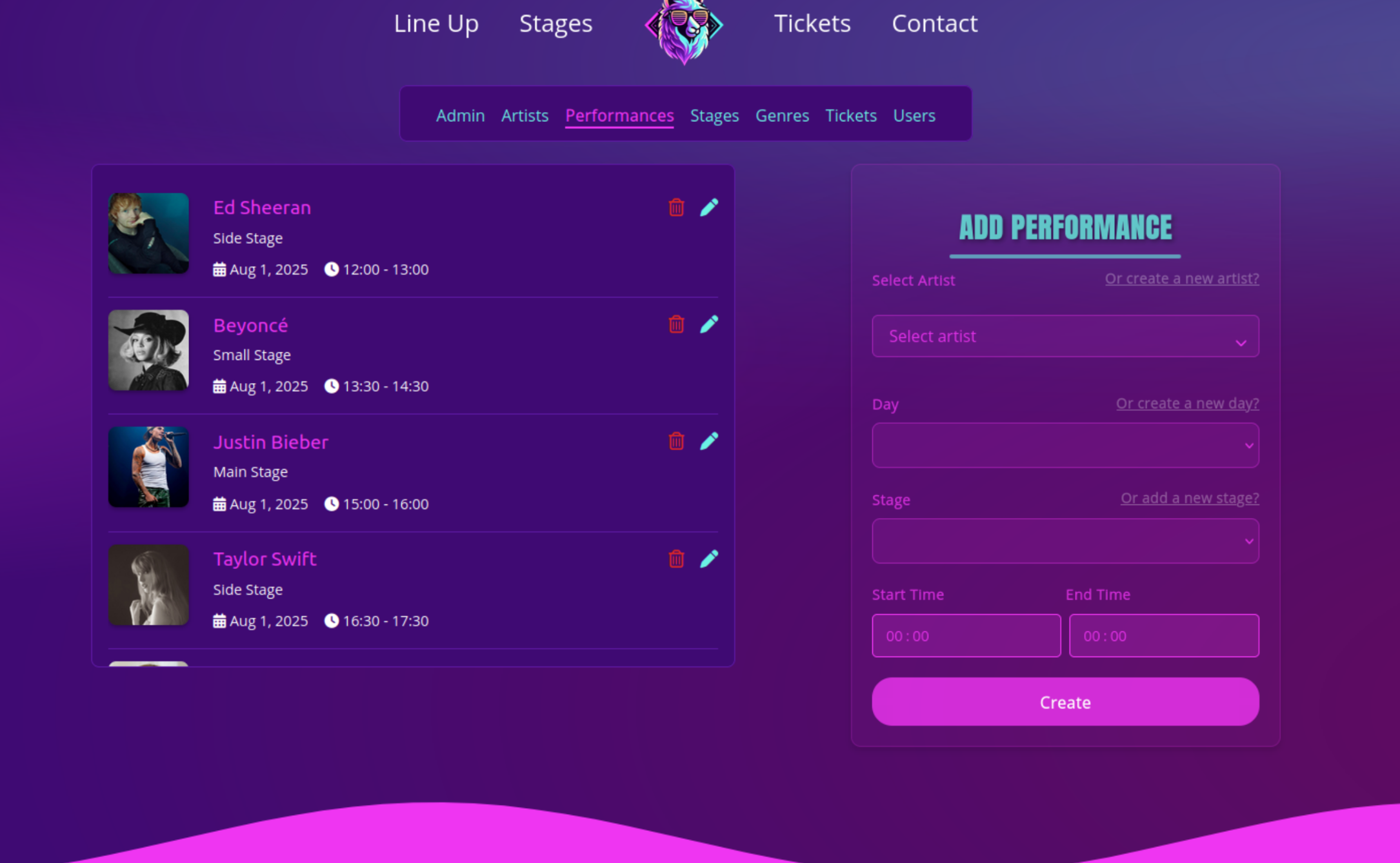
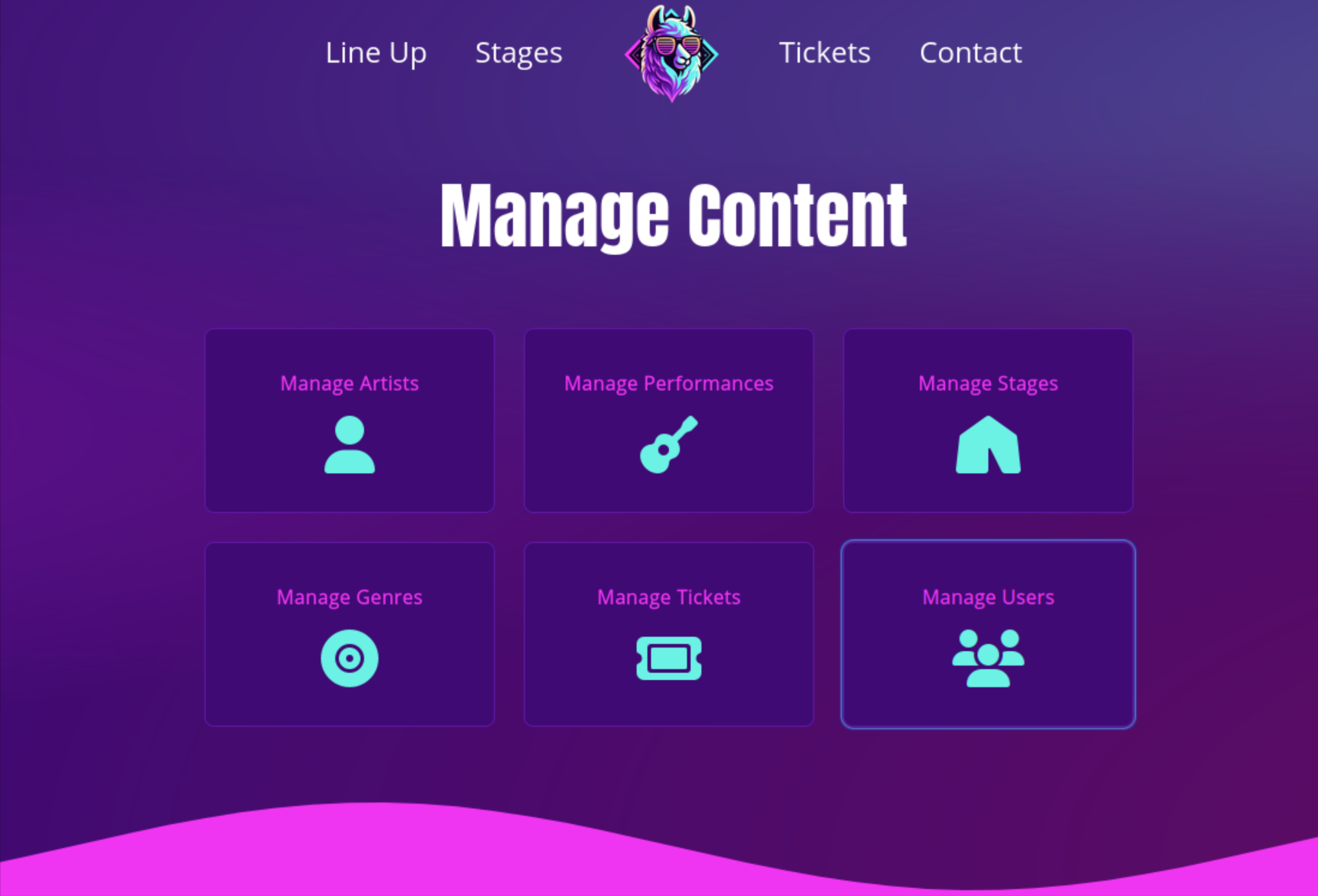
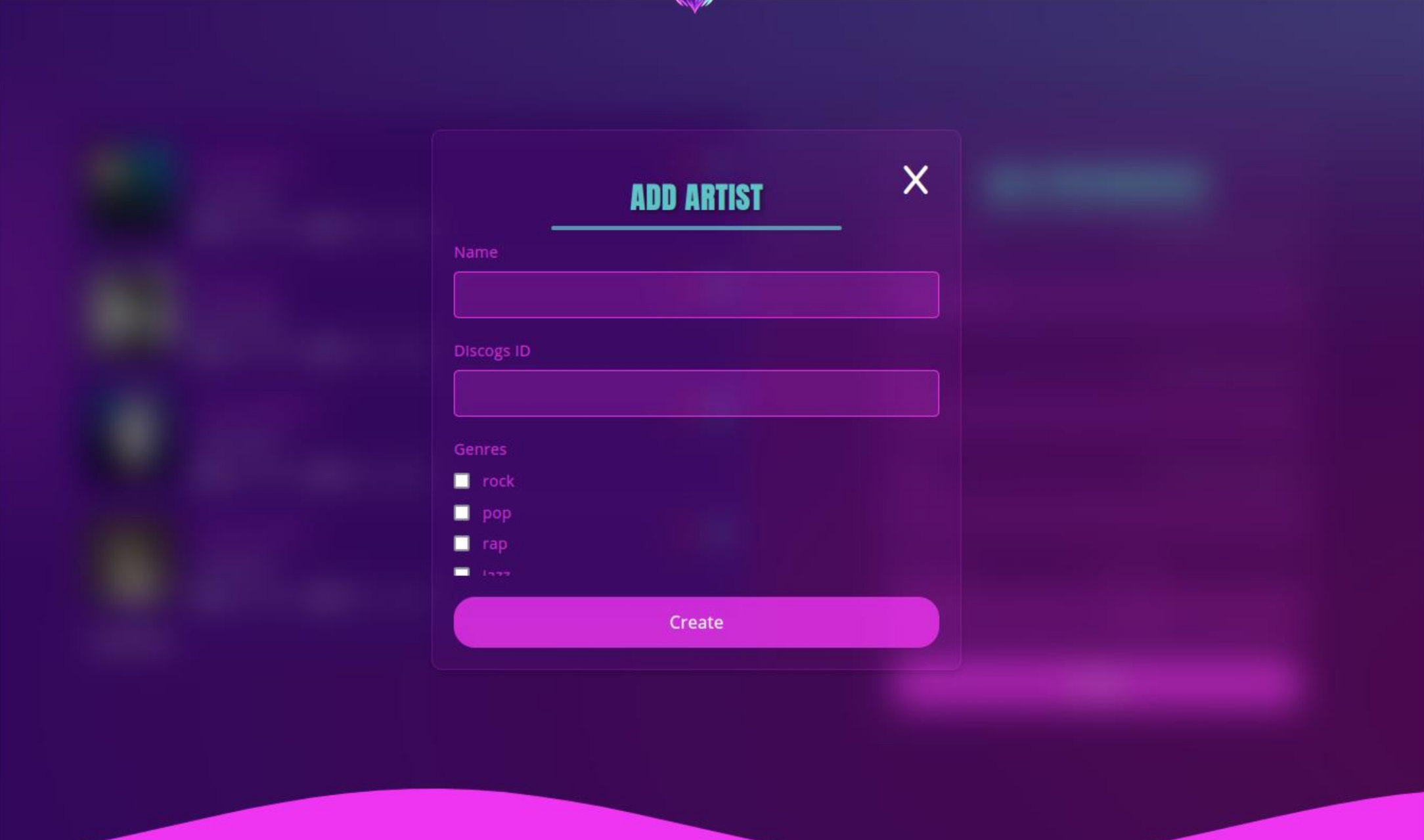
My focus was on developing the ‘admin’ environment. This offers organizers the ability to manage everything related to artists, performances, schedules and stages through clear and structured screens. By using clear forms and interactive components, we were able to guarantee a smooth work experience.
For the visual aspect, I built on the team’s chosen theme: a dark interface with bright neon accents that match the festival atmosphere. Every part of the frontend was built with Angular, with reusable components and clear navigation.
Approach and technical specification
From idea to execution
Before we started working on the code, we brainstormed as a team about the concept and structure of the application. After the global direction was determined, we worked together on the data models and API connections.
Frontend in Angular
I built the frontend of the management module completely in Angular, including routing, component structure, services and data connection via HTTP. The frontend was connected to a .NET Core API, which was developed by one of my teammates. This allowed us to process all management functionalities (such as creating, editing and deleting artists or performances) in the frontend.
Authentication with Auth0
Together with a teammate, I arranged the integration of Auth0, which allows users to log in and administrators to access the appropriate parts of the app. Thanks to role-based access, the security of the admin environment was guaranteed.
Going live with the frontend
After completion, I helped with putting the Angular app online via an external web host. The frontend communicates live with the backend API running on Azure, resulting in a fully functional, publicly accessible application.
Reflection
The Laser Llama project was a valuable opportunity for me to deepen my Angular skills in a realistic way. I learned how to build a complex frontend, integrate with external systems and make it user-friendly for end users.
It was particularly instructive to develop a management platform from scratch, where I not only focused on the technology, but also on the user experience. Thanks to this project, I feel much stronger in building modern web interfaces and better understand how frontend and backend work together in a full-stack context.